
Edge computing was seen as expensive and complex for a long time. It was usually reserved only for large companies equipped with the latest technology. Today, this perception is changing. Companies across the UK are realizing that cost-effective, flexible systems can deliver powerful results without unnecessary complexity.
At the center of this shift is the rise of platforms that combine simplicity with scalability. Edge computing solutions that UK companies can now count on appear very different to traditional configurations. Companies are shifting their processing away from central data centers closer to the source of data.
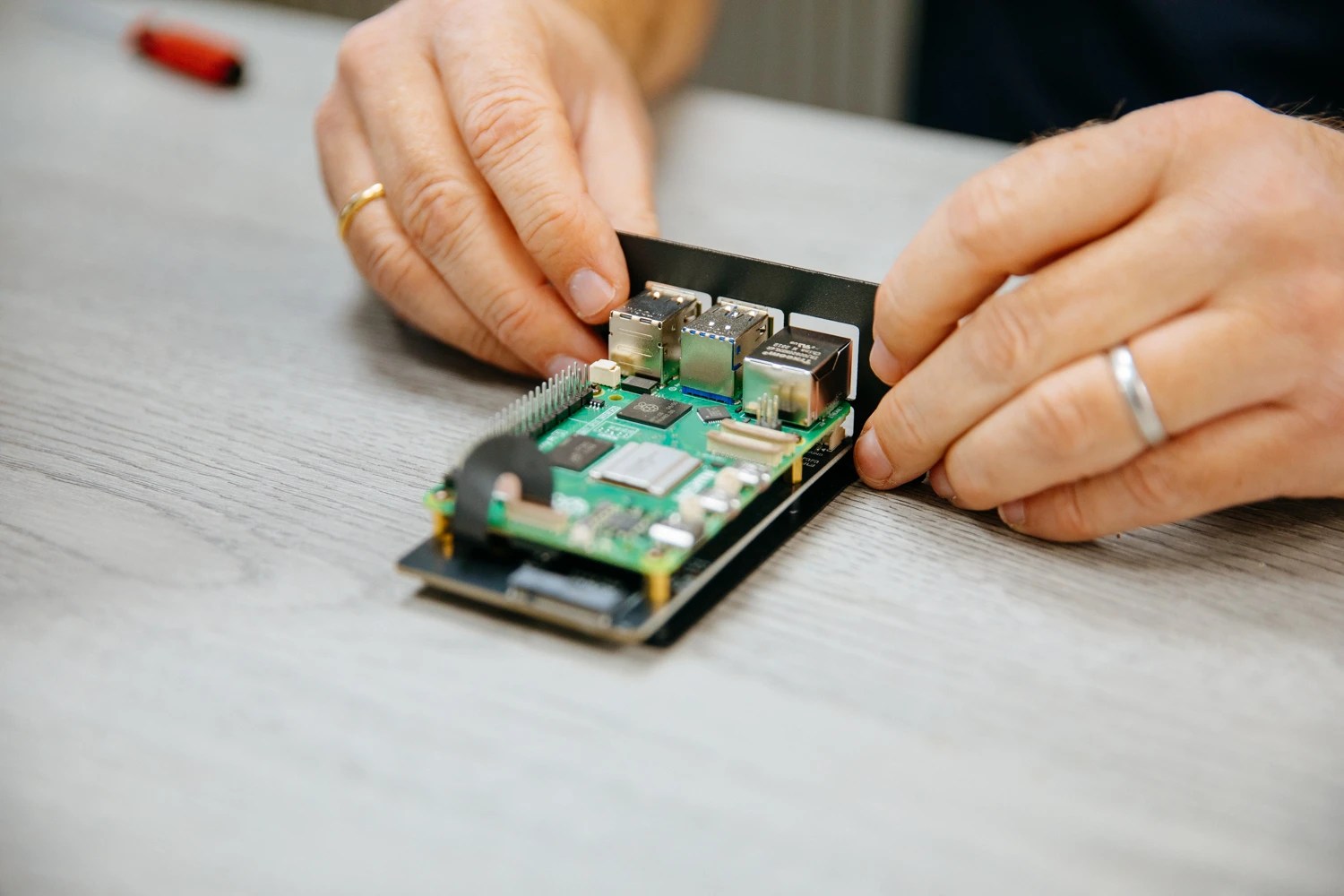
This shift improves speed, reduces latency, and creates opportunities for real-time decision making.
Small Devices and Enterprise Systems
The Raspberry Pi is far from being a tool for learning. It was initially thought of as a device for the hobbyist is now being used to power real-world infrastructure for industries like manufacturing logistics, logistics, and smart environments.
With platforms such as ScalerPi Businesses can turn one device into a part of a bigger, integrated system. A Raspberry Pi cluster production use model allows multiple units to work together, creating a distributed system capable of handling complex workloads.
This technique allows to grow from a small prototype to thousands of connected devices, all connected and working together.
Kubernetes at the Edge
Modern infrastructure is typically dependent on orchestration and containerized software. Kubernetes is now the standard for managing these environments but running at the edge of the network poses new problems.
Kubernetes on-premise solutions allow users to keep control while benefiting from container orchestration’s flexibility. Businesses can control and deploy their own systems instead of completely relying on cloud providers.
This helps to balance efficiency and control, allowing businesses to adapt their infrastructure to meet specific operational requirements. ScalerPi fills the gap by combining the hardware experience of ScalerPi with modern software techniques. This makes the most advanced deployments cost-effective.
The reason why Data Sovereignty Gains importance
As data regulations become more complicated, companies are paying close attention to how their data is being stored and processed. In many instances using cloud providers that are not internal service providers raises concerns regarding control and compliance.
The UK can use a cloud that is sovereign to ensure high-performance while keeping data inside the boundaries of the national. This solution guarantees that sensitive information is protected and is in compliance with local regulations.
Integrating edge computing into sovereign infrastructures can help businesses gain flexibility and accountability. The data is processed closer to the source, while being controlled environment.
Simple Deployments for Complex Systems
The management of large amounts of devices poses a significant issue for edge computing. As the number of devices deployed increases, it becomes more difficult to maintain consistency, security and performance.
ScalerPi solves this issue by providing an all-stack solution that incorporates equipment supply, device management and consulting. The integrated approach helps reduce complexity, allowing teams to focus more on their applications rather than the infrastructure.
A solution for edge computing that UK businesses can trust should not necessitate constant manual input. Instead, it should include instruments to automatize processes, track performance and ensure the reliability of all devices.
Building Systems You’re Able to Scale
Planning is vital to ensure that you can scale from a simple prototype to production. Each step presents new challenges, ranging from the selection of hardware to software integration and ongoing maintenance.
A Raspberry Pi cluster production use strategy makes this transition smoother by providing an established system for growth. Businesses can expand at their own pace by expanding their devices or making adjustments without disrupting the system.
This flexibility can be especially useful for companies that want to test innovative technologies or explore new markets.
A Future of Flexibility and Control
The future of infrastructure is shifting to systems that are flexible capable of adjusting and enhancing efficiency. Companies don’t want to be restricted by rigid solutions which limit their creativity.
Tools like a kubernetes on-premise solution as well as a UK sovereign cloud solution provide companies more control over data and operations. These tools, when paired with the flexibility and scalability of Raspberry Pi clusters provide the foundation for long-term expansion.
Moving Forward With Edge Innovation
Edge computing is not something new however, it can be a solution to modern challenges. By combining affordable hardware with advanced software, companies can build systems that are strong and efficient.
ScalerPi continues to help companies connect the gap between their physical devices and cloud technology. Edge computing is now accessible for companies of any size thanks to its thoughtful design and the reliability of its implementation.
As companies continue to explore the potential of distributed computing the success of their efforts will be determined by their capacity to scale up safely and efficiently.