Marketing personalization goes beyond simply adding your name to the subject line of an email. Nowadays, consumers expect brands to know their preferences in terms of values, motivations, and needs before a message ever reaches them. As attention spans shrink and ad fatigue rises and relevance is now the primary factor in the performance of a brand.
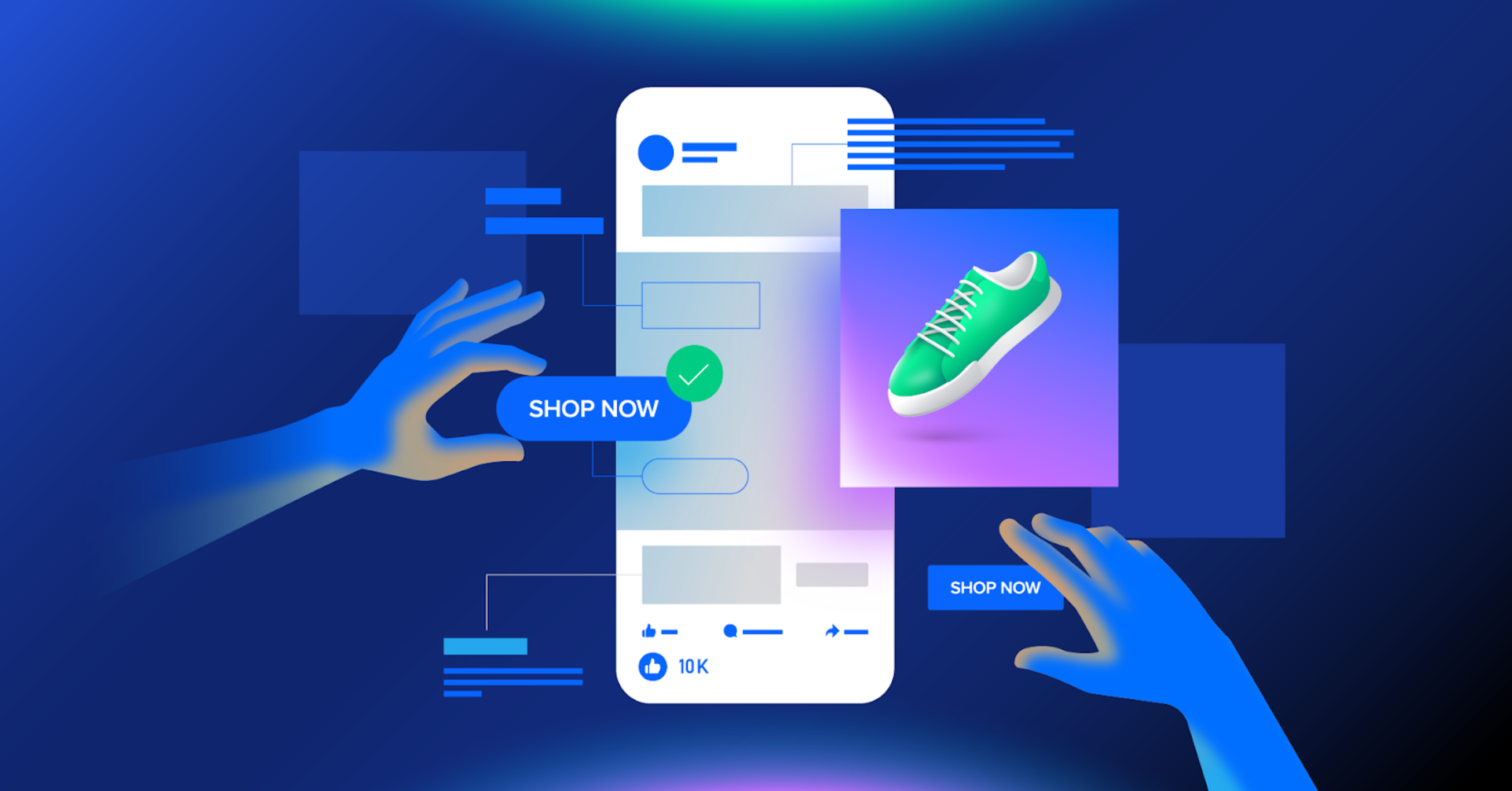
Most personalization efforts still rely on static data. The information about the demographics, interests, and behaviors of previous customers are helpful, but rarely can they provide the reason that people decide to reply or not respond to a specific message. The gap between the data and human perception is where modern Marketing AI begins to reshape the market.
When audience research is an actual conversation
Imagine being in a position to immediately interact with a large audience similar to what you’d do with a live audience. You can inquire, test ideas and refine your message. Elaris is able to make this transformation by turning audience segmentation and analysis into an interactive experience. Marketers can communicate directly with audience members who are psychologically knowledgeable models instead of guessing from reports.
Instead of relying solely on static personas that represent different groups of people, marketers can look at how they think, what motivates their decisions, and what messages are the most effective. Conversational methods transform audiences research from an inefficient, one-time process into an ongoing feedback loop that affects every stage of a marketing campaign.
How Marketing AI helps improve strategic decision-making
Marketing AI is not only regarding speed. It’s also about clarity. Artificial intelligence that is built by combining psychographic and behavioral science gives insights that go far beyond measurement metrics for performance. It assists marketers to understand the psychological drivers that drive their decisions, risk tolerance as well as trust signals and value perception.
This understanding allows teams to take better decisions early in their process. Before spending a dime on ads, marketers can verify the tone, creative direction and the positioning of their advertisements. This results in less changes, better alignment, and a more assured execution.
The AI Ad Generator That Thinks Like Your Target Audience
An AI Ad generator becomes far more powerful when it understands individuals, not only patterns. Through the use of psychological profiles rather than generic templates, advertising content is created with intent matching messaging to how specific users use information and make decisions.
This strategy changes the way Ad creative is developed. Instead of generating dozens of variants and hoping that they work, marketers are able to produce fewer, more effective ads that are built for resonance from the very beginning. Headlines, message structure emotional framing and calls to take action are all determined by audience mindset rather than preconceived notions.
Ads that are based on research and not based on guesswork
Effective Ad creative isn’t louder, it just speaks with more clarity. It’s natural when the creative is aligned with audience internal motivations. The psychology-driven creativity reduces friction and increases trust more quickly, which directly impacts conversion rates.
Marketing AI enables brands to maintain a a consistent tone while customizing messages for various audiences. This balance permits personalization while preserving brand identity. The human-centric nature of creativity is more uniform across all channels regardless of whether the objective is to increase awareness, engagement or conversion.
Scaling Marketing Personalization for Personalization of Marketing without losing Quality
The size of the audience has always been among the most significant obstacles to implementing marketing personalization. The process of developing tailored content for different audiences is often rushed or results in disorganized messages. AI alters this by allowing personalization at a higher level without compromising depth or quality.
With psychologically grouped audiences and intelligent automation, marketers can make high-quality content in a shorter timeframe while keeping every message aligned with the real-world perspective of a human. Personalization is sustainable and manageable.
The Future of Marketing Is Human Centred AI
In the near future, marketing is not defined by more data, but rather as a better understanding. With AI-driven marketing personalization, AI-driven psychology enables companies and brands to move beyond simply targeting consumers and actually connect with them.
As marketing AI continues to evolve, the most successful brands will be those that treat technology as a bridge to human insight using AI Ad generators and behavioral intelligence to create ad creative that feels thoughtful, relevant, and unmistakably human.

Why Understanding Audience Psychology Is The Missing Link In Most AI Ad Tools
Marketing personalization goes beyond simply adding your name to the subject line of an email. Nowadays, consumers expect brands to know their preferences in terms of values, motivations, and needs before a message ever reaches them. As attention spans shrink and ad fatigue rises and relevance is now the primary factor in the performance of a brand.
Most personalization efforts still rely on static data. The information about the demographics, interests, and behaviors of previous customers are helpful, but rarely can they provide the reason that people decide to reply or not respond to a specific message. The gap between the data and human perception is where modern Marketing AI begins to reshape the market.
When audience research is an actual conversation
Imagine being in a position to immediately interact with a large audience similar to what you’d do with a live audience. You can inquire, test ideas and refine your message. Elaris is able to make this transformation by turning audience segmentation and analysis into an interactive experience. Marketers can communicate directly with audience members who are psychologically knowledgeable models instead of guessing from reports.
Instead of relying solely on static personas that represent different groups of people, marketers can look at how they think, what motivates their decisions, and what messages are the most effective. Conversational methods transform audiences research from an inefficient, one-time process into an ongoing feedback loop that affects every stage of a marketing campaign.
How Marketing AI helps improve strategic decision-making
Marketing AI is not only regarding speed. It’s also about clarity. Artificial intelligence that is built by combining psychographic and behavioral science gives insights that go far beyond measurement metrics for performance. It assists marketers to understand the psychological drivers that drive their decisions, risk tolerance as well as trust signals and value perception.
This understanding allows teams to take better decisions early in their process. Before spending a dime on ads, marketers can verify the tone, creative direction and the positioning of their advertisements. This results in less changes, better alignment, and a more assured execution.
The AI Ad Generator That Thinks Like Your Target Audience
An AI Ad generator becomes far more powerful when it understands individuals, not only patterns. Through the use of psychological profiles rather than generic templates, advertising content is created with intent matching messaging to how specific users use information and make decisions.
This strategy changes the way Ad creative is developed. Instead of generating dozens of variants and hoping that they work, marketers are able to produce fewer, more effective ads that are built for resonance from the very beginning. Headlines, message structure emotional framing and calls to take action are all determined by audience mindset rather than preconceived notions.
Ads that are based on research and not based on guesswork
Effective Ad creative isn’t louder, it just speaks with more clarity. It’s natural when the creative is aligned with audience internal motivations. The psychology-driven creativity reduces friction and increases trust more quickly, which directly impacts conversion rates.
Marketing AI enables brands to maintain a a consistent tone while customizing messages for various audiences. This balance permits personalization while preserving brand identity. The human-centric nature of creativity is more uniform across all channels regardless of whether the objective is to increase awareness, engagement or conversion.
Scaling Marketing Personalization for Personalization of Marketing without losing Quality
The size of the audience has always been among the most significant obstacles to implementing marketing personalization. The process of developing tailored content for different audiences is often rushed or results in disorganized messages. AI alters this by allowing personalization at a higher level without compromising depth or quality.
With psychologically grouped audiences and intelligent automation, marketers can make high-quality content in a shorter timeframe while keeping every message aligned with the real-world perspective of a human. Personalization is sustainable and manageable.
The Future of Marketing Is Human Centred AI
In the near future, marketing is not defined by more data, but rather as a better understanding. With AI-driven marketing personalization, AI-driven psychology enables companies and brands to move beyond simply targeting consumers and actually connect with them.
As marketing AI continues to evolve, the most successful brands will be those that treat technology as a bridge to human insight using AI Ad generators and behavioral intelligence to create ad creative that feels thoughtful, relevant, and unmistakably human.
Recent Post
Get 25% Discount Now
Do you have anything in your mind to tell us? Please don’t hesitate to get in touch to us via our contact form.
Categories